
Arabic Standards
Providing clear targets for learning
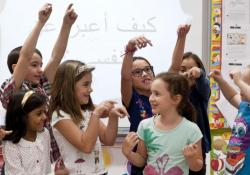
The Hiwaraat program for non-native speakers uses the American Council for the teaching of Foreign Languages Standards for Non-native Language Learners
Communication
The communication standard stresses the use of language for communication in “real life” situations. It emphasizes “what students can do with language” rather than “what they know about language.”
Cultures
Cultural understanding is an important part of world languages education. Students become better able to understand other people’s point of views, ways of life and contributions to the world.
Connections
World languages instruction must be connected with other subject areas.
Comparisons
Students are encouraged to compare and contrast languages and cultures. They discover patterns, make predictions and analyze similarities and differences across languages and culture.
Communities
Extended learning experiences from the world language classroom to the home environment, as well as multilingual and multicultural community, emphasize living in a global society.

- Home
- Blog
- Contact
- info@isswli.org
- Follow Us


- All Rights Reserved ©2012 International Schools Services
- Privacy Notice
- Terms and Conditions of Service